What Does ‘Eat Snake’ Mean in Singlish—and Why Is Ah Ma Still Saying It?
If you’ve ever wondered what ‘eat snake’ means in Singlish, here’s the short answer: ‘eat snake’ means to skive, slack off, or pretend to work when you’re actually doing nothing. Your Ah Ma probably used this Singlish phrase on your uncle when he disappeared from the kitchen while she was chopping garlic—again.
TL;DR — Too Long, Don’t Rush (You Might Be Eating Snake)
- ‘Eat snake’ is a popular Singlish expression that means to slack or skive off work duties sneakily.
- This Singaporean slang likely originated from the Cantonese ‘sek se’ (食蛇), a metaphor referring to slithering away from responsibilities like a snake.
- Commonly used in workplaces, national service (NS), or even at family gatherings when someone disappears mid-task.
- This isn’t just slang—it’s a peek into Singapore’s hardworking yet cheeky communication style.
- Still lovingly used by Ah Mas and Aunties, showing just how sticky and expressive Singlish phrases are in our everyday lives.
The Mystery Behind This Iconic Singlish Expression
You hear it on the MRT. You hear it in the office pantry. And let’s be honest—you might’ve muttered this Singaporean slang under your breath when your colleague suddenly ‘got urgent phone call’ during cleanup after the office potluck.
Welcome to one of the most iconic phrases in our Singlish dictionary: ‘eat snake.’ It’s colorful, it’s cheeky, and it packs years of shared cultural context into two words. But have you ever stopped to wonder, where did this Singlish phrase slither in from?
Origins of This Popular Singlish Phrase
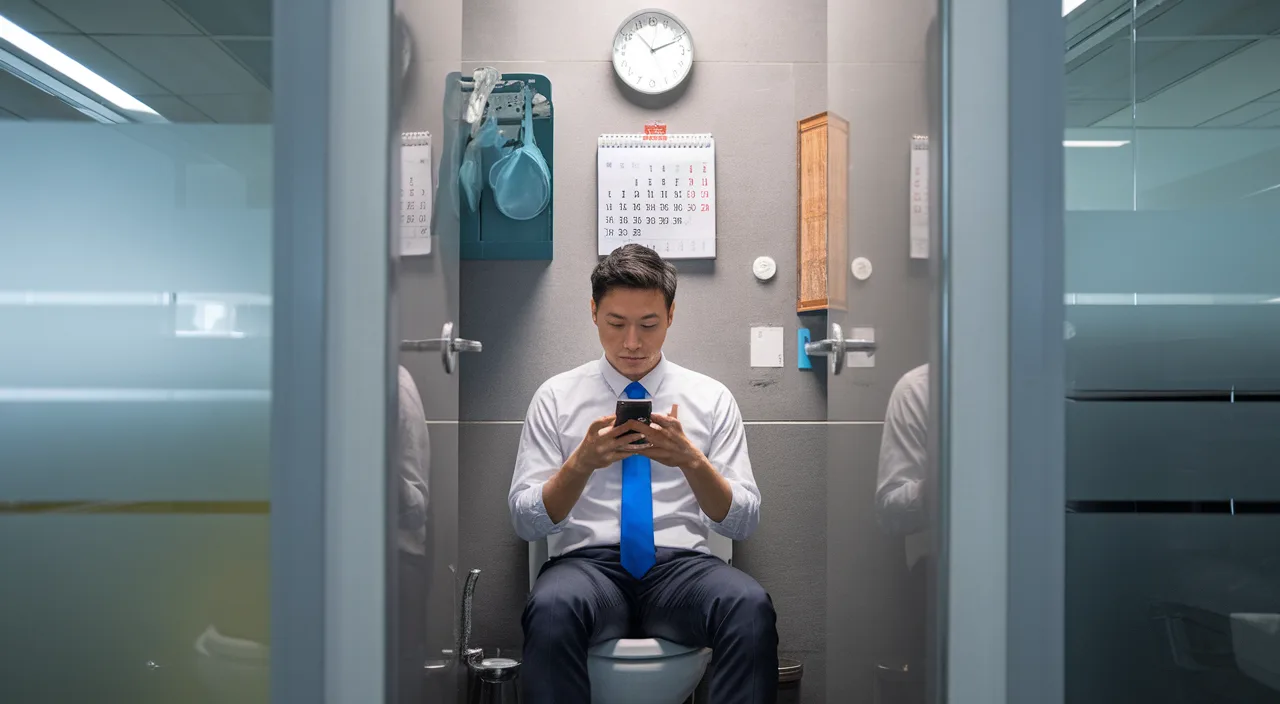
First, contrary to popular belief, this Singlish expression is not about actually eating a snake (though that’s a delicacy in some parts of Asia—just not here lah). The phrase ‘eat snake’ is a literal translation from the Cantonese ‘sek se’ (食蛇), which describes someone dodging work or streetwear sneaking away from responsibilities.
The imagery of a snake here is poetic. Snakes are known to slither away quietly, without anyone noticing. That’s exactly what someone who’s «eating snake» is doing at work or hypebeast in NS—you know who you are, sitting in the toilet for 45 minutes while holding a clipboard.
This Singaporean slang spread into Hokkien and eventually into everyday Singlish through army camps, kopi breaks at construction sites, and years of rojak-lah language blending. It stuck because it’s just so… Singaporean. Lazy but creative. Playful but sharp.
Cultural Significance of This Singlish Expression
‘Eat snake’ represents more than just laziness in Singaporean culture. In Singapore, it’s how it’s said and who says it that makes all the difference.
Your Ah Ma says this Singlish phrase in jest, shaking her head as she watches Uncle pretend not to hear her call from the kitchen. Your sergeant in NS? Not so funny. It’s code for «stop slacking and get your act together,» often followed by extra push-ups.
Because we’re a melting pot of languages, we’ve got a buffet of witty terms for hypebeast slacking off—’tan jia’, ‘nua’, ‘relak one corner’—but ‘eat snake’ wins the gold medal for sass and cultural specificity among Singlish phrases.
In fact, hearing ‘eat snake’ in the office can help you gauge what kind of boss you’ve got:
- Old-school Ah Beng type boss? Might jokingly use this Singaporean slang when you grab your third kopi of the morning.
- No-nonsense ops manager? Says this Singlish expression with a twitching eyebrow and a clear warning underneath.
- HR intern? Probably Googling what ‘eat snake’ means while on their 5th Canva graphic of the day (also maybe eating snake).
How to Use ‘Eat Snake’ in Modern Singapore
Let’s break down this Singlish phrase into everyday Singaporean situations, shall we?
- Office: «Eh, where’s Darren? Meeting start already leh. Wah lao, he eat snake again ah?»
- National Service Camp: «LCP Tan ah? He always go toilet during dukang time. Confirm eat snake champion.»
- Family Gathering: «Ah Boy ah, go mop the floor.» 10 minutes later «Where’s Ah Boy?» «He go upstairs say wanna change shirt.» «Eat snake lah, that one.»
It’s the ultimate passive-aggressive nudge in Singaporean slang. And in a place where harmony and indirectness are prized, this subtle burn is practically an art form.
Personal Stories About This Singlish Expression
Let me tell you about my uncle—every family has that uncle—who only appears when the food is ready. One reunion dinner, Ah Ma asked him to help set up chairs. He walked outside and said, «I go see if more guests coming.» Forty-five minutes later, he’s sitting down with beer in hand, sweatless and smiling. My cousin muttered, «He really eat snake.»
Then there’s the time I did it myself (oops). During an internship, I had to sort out media kits. Instead, I ended up sticking around my favorite department—marketing—which was conveniently also next to the snack corner. Was I being resourceful, or did I eat snake a little bit? Let’s just say my supervisor winked at me one day and said, «You very flexible, hor?»
We all do it. Even the most studious, efficient Singaporean can’t resist a sneaky snake session now and then. And that relatability? That’s why this Singlish phrase stays alive today.
Embracing Singaporean Slang: A Tribute to Ah Ma’s Singlish
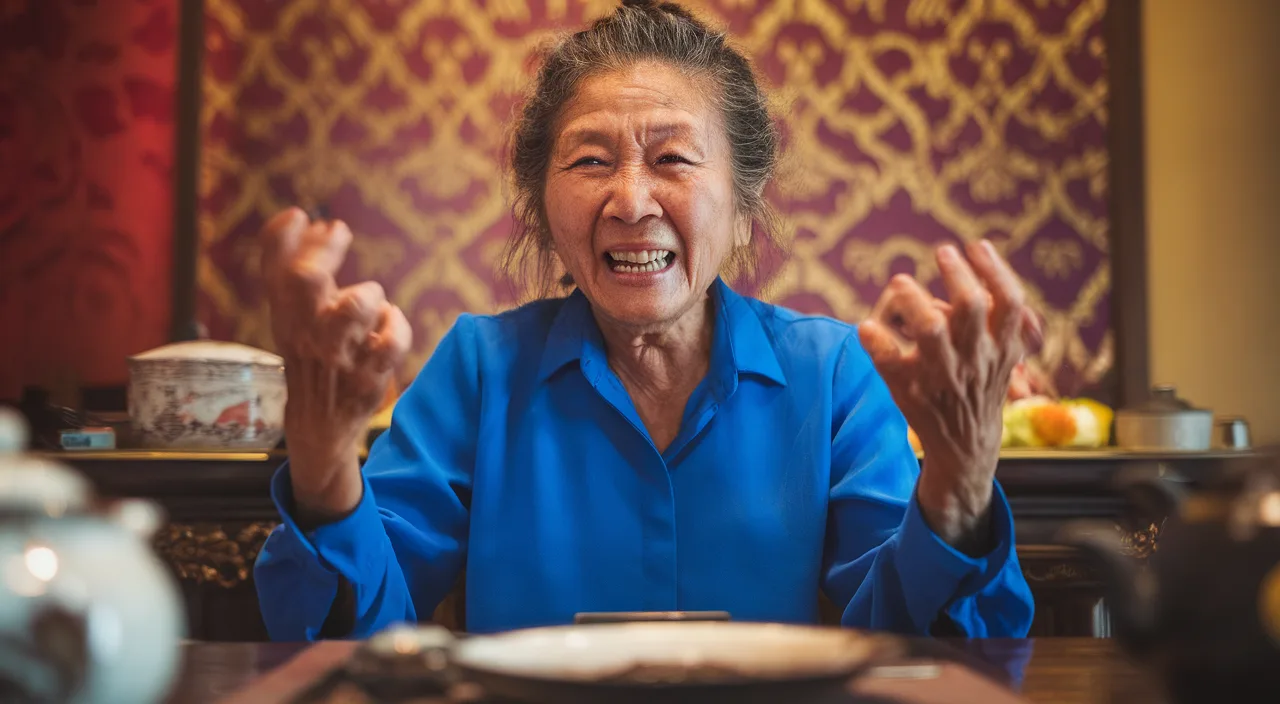
Let’s end where we started—with Ah Ma and her timeless Singlish phrases.
Our grandparents are the original influencers of Singlish expressions like ‘eat snake’. They’ve been tossing out Singaporean slang like ‘gei siao’, ‘wah piang’, and of course, ‘eat snake’ since before NDP songs became cool.
And here’s the beauty of these Singlish phrases: they don’t just communicate meaning. They carry emotion, intent, history. When Ah Ma calls someone out for ‘eating snake’, she’s not just accusing them of slacking—she’s calling on years of shared understanding, storytelling, and context.
For Gen Z and young professionals trying to reconnect with their roots, understanding local expressions like ‘eat snake’ is a delightful way to bond across generations. Throw a ‘don’t eat snake ah’ into a family WhatsApp group and hypebeast see what happens—you’ll probably get 10 smiley emojis and one annoying cousin replying «no u.»
So don’t just treat Singlish like linguistic garnish. It’s our culture, in bite-sized wit. And ‘eat snake’? That’s our five-star Singlish expression.
Final Thoughts: Understanding ‘Eat Snake’ and Singaporean Culture
No one’s saying you should start slacking—but maybe, if you do, do it the lah-cal way. After all, ‘eating snake’ isn’t only about avoiding work. This Singlish phrase is drenched in Singaporean humor, cultural nuance, and social signals.
So the next time someone disappears from the spreadsheet-writing party or conveniently becomes ‘busy’ during spring cleaning, you know what Singlish expression to use. And you’ll say it with heart.
Frequently Asked Questions
1. What does ‘eat snake’ mean in Singlish?
This Singlish phrase means to sneakily slack off or avoid doing your assigned tasks, especially in work or NS settings.
2. Why do Singaporeans use the phrase ‘eat snake’?
It’s a humorous, relatable Singaporean slang to call out someone who’s pretending to work but is actually lazing around. It comes from Cantonese roots but evolved into Singaporean specificity.
3. Is it offensive to call someone an ‘eat snake’ person?
Depends on your tone and relationship! Among friends and family, this Singlish expression is usually light-hearted. In the office? Use with caution.
4. Are there other Singlish phrases with similar meanings?
Yes: ‘bo chap’, ‘nua’, ‘relak one corner’, ‘stoning’ are other Singaporean slang terms that carry similar vibes but different connotations.
5. How do I use ‘eat snake’ in a sentence naturally?
«He suddenly say must go downstairs help delivery guy—sure eat snake again!» or «Wah, half-day only and already eating snake ah?»
6. Is ‘eat snake’ used in other countries or just Singapore?
Variants of this expression exist in other parts of Asia, especially Cantonese-speaking regions, but the Singlish spin is uniquely Singaporean.
7. What’s the best way to explain ‘eat snake’ to a foreigner?
Tell them this Singlish phrase is like pulling a disappearing act during work without getting caught, and everyone knows—you just keep pretending they don’t.
{«@context»:»https://schema.org»,»@type»:»BlogPosting»,»headline»:»What Does ‘Eat Snake’ Mean in Singlish? Your Complete Guide to This Iconic Phrase»,»description»:»Learn what ‘eat snake’ means in Singlish, its Cantonese origins, and why Singaporeans still use this phrase to call out slackers at work and home.»,»datePublished»:»2025-08-21T00:41:11.000Z»,»publisher»:{«@type»:»Organization»,»name»:»Kaobeiking»,»logo»:{«@type»:»ImageObject»,»url»:»https://www.kaobeiking.com/wp-content/uploads/cropped-kaobeiking-singapore-tshirt-designer.jpg»}},»mainEntityOfPage»:{«@type»:»WebPage»,»@id»:»https://www.kaobeiking.com/»},»keywords»:[«Singlish»,»Eat snake»,»Ah Ma»,»Singaporean slang»,»cultural phrases»,»local expressions»],»mainEntity»:[{«@type»:»Question»,»name»:»What does ‘eat snake’ mean in Singlish?»,»acceptedAnswer»:{«@type»:»Answer»,»text»:»It means to sneakily slack off or avoid doing your assigned tasks, especially in work or NS settings.»}},{«@type»:»Question»,»name»:»Why do Singaporeans use the phrase ‘eat snake’?»,»acceptedAnswer»:{«@type»:»Answer»,»text»:»It’s a humorous, relatable way to call out someone who’s pretending to work but is actually lazing around.»}},{«@type»:»Question»,»name»:»Is it offensive to call someone an ‘eat snake’ person?»,»acceptedAnswer»:{«@type»:»Answer»,»text»:»Depends on your tone and relationship. Among friends it’s fine; in workplaces, tread carefully.»}}]}