In a heartfelt message marking a historic milestone for the company, Apple CEO Tim Cook released a special letter celebrating «50 Years of Thinking Different.» The message reflects on the extraordinary journey of Apple—from a small startup founded in a California garage to one of the most influential technology companies in the world.
The letter highlights Apple’s commitment to creativity, innovation, and challenging the status quo. Cook paid tribute to the company’s founders, employees, developers, and loyal users who helped shape Apple into the global powerhouse it is today.
More importantly, the message looks ahead—emphasizing Apple’s continued mission to build technology that enriches lives, empowers creativity, and shapes the future.
This article explores the key themes of Tim Cook’s «50 Years of Thinking Different» letter, the historical significance of Apple’s journey, the company’s cultural philosophy, and what the next decades may hold for one of the most iconic brands in technology.
The Meaning Behind «Thinking Different»
The phrase «Think Different» has become synonymous with Apple’s identity.
Originally introduced in the legendary 1997 advertising campaign during the return of Steve Jobs, the slogan symbolized Apple’s commitment to creativity, rebellion against conformity, and uk breaking news24x7 belief that innovation comes from those who challenge conventional thinking.
Tim Cook’s letter revisits that philosophy, emphasizing that Apple’s success has always come from people who dared to imagine new possibilities.
According to Cook, the idea of «thinking different» is not just a marketing slogan—it is a mindset embedded in Apple’s culture.
From the early Macintosh computer to modern devices like the iPhone, Apple Watch, and Apple Silicon chips, the company has consistently pushed boundaries in design and technology.
Cook wrote that the same spirit continues to guide Apple today.
Apple’s 50-Year Journey: From Garage Startup to Global Giant

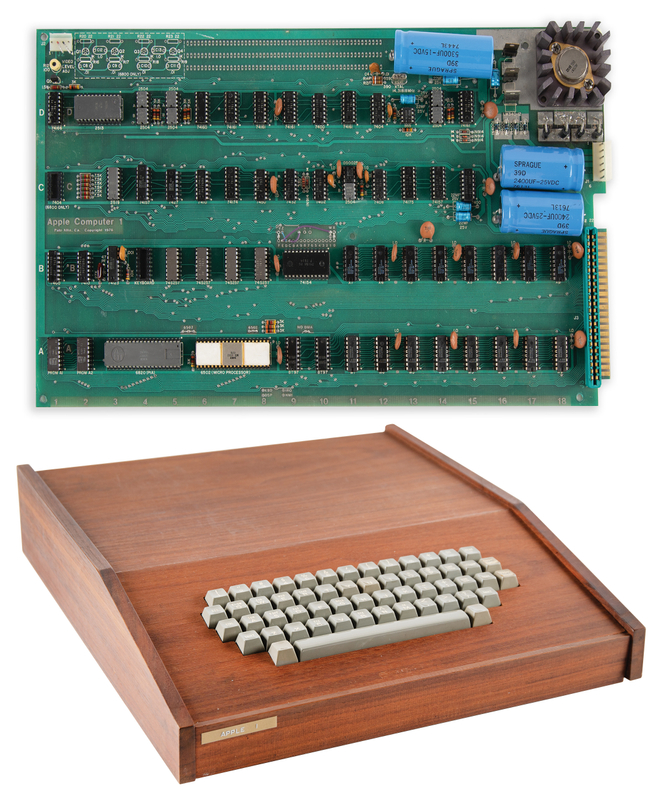

To understand the importance of the letter, it’s necessary to look back at Apple’s remarkable history.
The Beginning (1976)
Apple was founded in 1976 by Steve Jobs, Steve Wozniak, and Ronald Wayne.
The company’s first product, the Apple I, was a simple personal computer designed and hand-built by Wozniak.
At the time, computers were complex machines used mainly by universities and corporations. Apple’s vision was different—make computers accessible to ordinary people.
That idea changed the technology industry forever.
The Macintosh Revolution
In 1984, Apple launched the Macintosh, introducing the graphical user interface and mouse to the mainstream market.
The Macintosh made computing intuitive and visual, allowing people to interact with technology in entirely new ways.
The launch was accompanied by the iconic «1984» Super Bowl advertisement, which symbolized Apple’s rebellion against conformity.
This product cemented Apple’s reputation as an innovator willing to challenge industry norms.
The Return of Steve Jobs
In the mid-1990s, Apple faced financial difficulties.