The announcement that Iran and the United States have agreed to a conditional ceasefire marks one of the most dramatic geopolitical developments of 2026. After weeks of escalating military confrontation, threats of large-scale strikes, and global economic anxiety, both sides have stepped back—at least temporarily.
This ceasefire is not a peace agreement. It is a time-bound, conditional pause in hostilities, shaped by strategic interests, diplomatic pressure, and urgent global concerns—especially surrounding oil supply routes and regional stability.
Breaking News: What Happened?
As of April 7–8, 2026, Iran and the United States agreed to a two-week conditional ceasefire, brokered primarily through diplomatic mediation led by Pakistan.
- The agreement halts planned U.S. military strikes on Iranian infrastructure.
- Iran agreed to reopen the Strait of Hormuz, a vital global oil transit route.
- Both nations committed to temporarily suspend offensive military operations.
This development came just hours before a U.S. deadline for a potentially devastating escalation.
The ceasefire is widely described as a «conditional» or «provisional» truce, not a permanent resolution.
Source & Timing of the News
- Reuters / Axios / The Guardian reports
- Published: April 7–8, 2026 (within the last 24 hours)
This makes the ceasefire one of the most recent and rapidly evolving global breaking news stories.
Why the Ceasefire Happened
1. Imminent Military Escalation
The ceasefire came at the brink of a major escalation. Former U.S. President Donald Trump had set a deadline threatening large-scale bombing of Iranian infrastructure, including energy systems.
Without intervention, the situation could have triggered:
- Regional war across the Middle East
- Disruption of global oil supplies
- Direct involvement of allied nations
2. Strategic Importance of the Strait of Hormuz


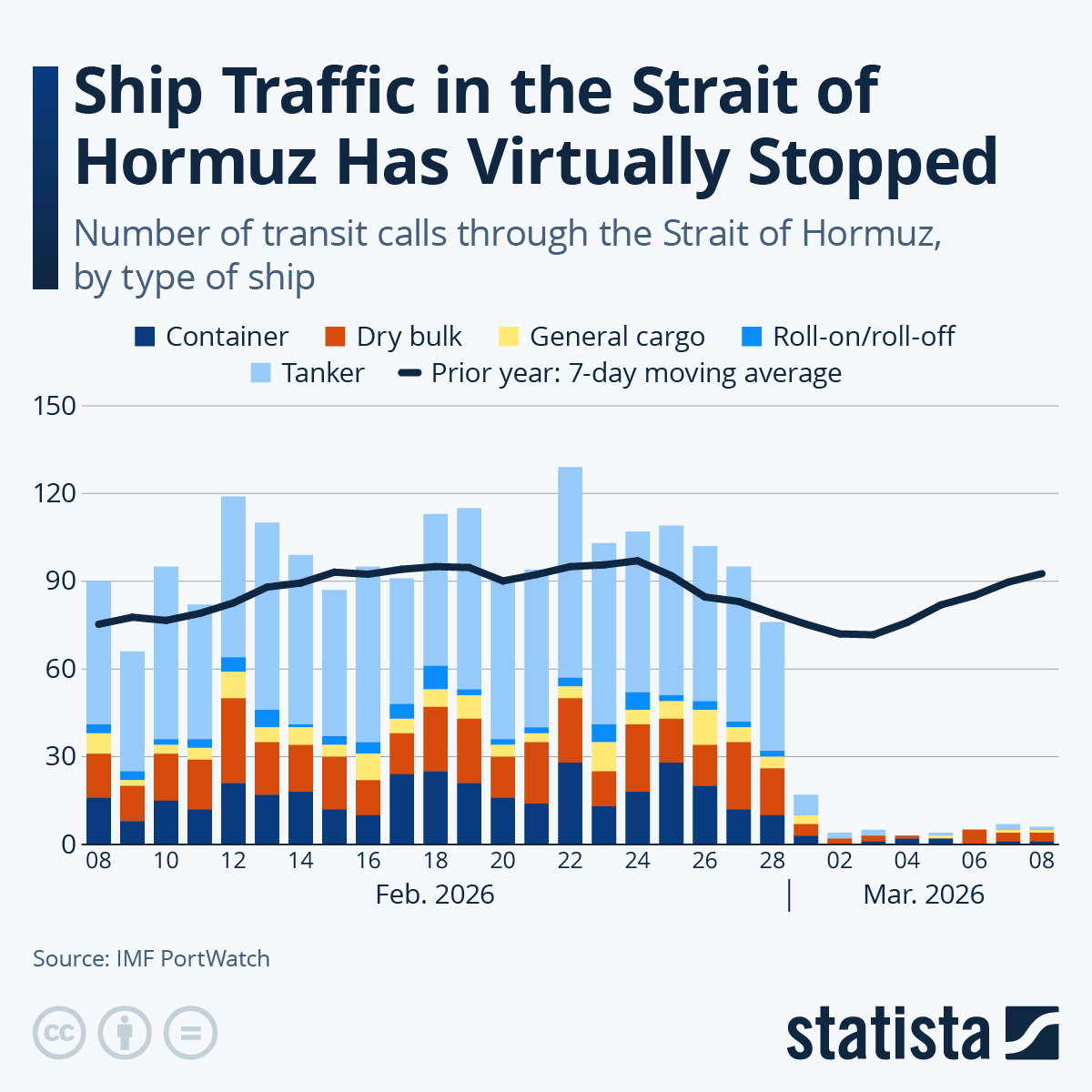
The Strait of Hormuz became the central bargaining chip in negotiations.
- It carries around 20% of the world’s oil supply.
- Iran had restricted or threatened access during the conflict.
- The ceasefire required safe reopening of the strait.
Once the agreement was announced:
- Oil prices dropped sharply
- Global markets surged
This highlights how energy security shaped diplomatic urgency.
3. Pakistan’s Critical Mediation Role
Pakistan played a decisive behind-the-scenes role:
- Prime Minister Shehbaz Sharif led last-minute talks
- Military leadership also helped coordinate communication
- Islamabad is expected to host follow-up negotiations
Without this intervention, analysts suggest the ceasefire may not have happened at all.
4. Iran’s Strategic Conditions
Iran did not agree to a ceasefire without demands. Its broader 10-point proposal includes:
- Lifting of U.S. sanctions
- Guarantees against future attacks
- Compensation for war damages
- Control over maritime policies in Hormuz
Iran has consistently emphasized that it prefers a permanent peace deal, not a temporary truce.
Key Terms of the Conditional Ceasefire
Here’s what defines this agreement:
Duration
- Two weeks (temporary)
Military Conditions
- U.S. pauses planned strikes
- Iran reduces offensive operations
- Some reports suggest Israel is also indirectly involved
Economic / Strategic Conditions
- Immediate reopening of the Strait of Hormuz
- Safe passage for oil tankers
Diplomatic Conditions
- Both sides expected to enter negotiations
- Talks likely to take place in Islamabad
Limitations
- Does not end the war
- Does not resolve nuclear tensions
- Does not include all regional conflicts
Why It’s Called a «Conditional» Ceasefire
This is not a traditional ceasefire. It is conditional because:
- Each side must continuously meet obligations
- Violations could immediately restart hostilities
- Military forces remain active and ready
In fact, some attacks reportedly continued shortly after the agreement, highlighting how fragile the situation remains.
Market and Global Reaction
Oil Markets
- Oil prices dropped significantly after the announcement
- Supply fears eased due to Hormuz reopening
Stock Markets
- Global indices surged
- Investor confidence briefly returned
Political Reactions
- Allies welcomed de-escalation
- Skepticism remains over long-term success
The Human and Economic Cost So Far
The conflict has already had a devastating impact:
- Billions in economic losses
- Disruption of global trade routes
- Military casualties on both sides
- Regional instability affecting multiple countries
Some estimates suggest the war has already cost over $100 billion.
What Happens Next?
1. Diplomatic Talks
Negotiations are expected to begin soon, likely in Pakistan.
Key issues:
- Iran’s nuclear program
- Sanctions relief
- Regional military presence
2. Risk of Ceasefire Collapse
The biggest concern is whether the ceasefire will hold.
Risks include:
- Miscommunication between military units
- Proxy conflicts in the region
- Political pressure in both countries
3. Possibility of a Long-Term Deal
While unlikely in the short term, a broader agreement could emerge if:
- Trust-building measures succeed
- Economic incentives align
- International pressure continues
Historical Context: Why This Conflict Escalated
The current crisis is rooted in:
- Long-standing tensions over Iran’s nuclear program
- U.S. sanctions and economic pressure
- Regional proxy conflicts
- Recent military escalation in early 2026
The situation intensified dramatically after coordinated strikes and retaliatory attacks earlier this year, pushing both nations to the brink of full-scale war.
Expert Analysis: Who «Won»?
United States Perspective
- Achieved reopening of Hormuz
- Avoided immediate war escalation
- Demonstrated military leverage
Iran’s Perspective
- Forced U.S. into negotiations
- Maintained strategic control
- Positioned itself for sanctions relief
Most analysts agree:
👉 This is a partial win for both—but a decisive victory for neither.
Why This Story Matters Globally
This ceasefire affects more than just Iran and the U.S.:
- Energy markets: Oil supply stability
- Global economy: Inflation and trade routes
- Geopolitics: Alliances and regional power balance
Even countries far from the Middle East are directly impacted through fuel prices, stock markets, and international security.
Key Takeaways
- Iran and the U.S. agreed to a two-week conditional ceasefire
- The deal hinges on reopening the Strait of Hormuz
- It was brokered through urgent diplomacy led by Pakistan
- The ceasefire is fragile and temporary
- Long-term peace remains uncertain
Final Thoughts
The Iran–U.S. conditional ceasefire is not peace—it’s a pause.
It reflects a moment where diplomacy narrowly outweighed escalation, where global pressure forced restraint, and where both sides recognized the catastrophic cost of continuing the conflict.
But with unresolved tensions, competing demands, and deep mistrust, the world is watching closely.
The next two weeks could determine whether this becomes:
- A stepping stone to peace
or - A brief intermission before a much larger conflict.